History & Heritage
Step back in time and uncover the remarkable stories that have shaped Melton Mowbray over more than a thousand years.
From royal visits and legendary local characters to world-famous food traditions, Melton’s history is woven into every street, building and marketplace. Whether you’re wandering the town centre, exploring nearby villages or joining a guided walk, Melton’s heritage is waiting to be discovered.
Untold Stories to Explore
Walking through Melton Mowbray today, you’re almost certainly following in royal footsteps. Between 1194 and 1487, no fewer than 11 of England’s 15 Kings visited Melton Mowbray. But what brought them to this Leicestershire market town?
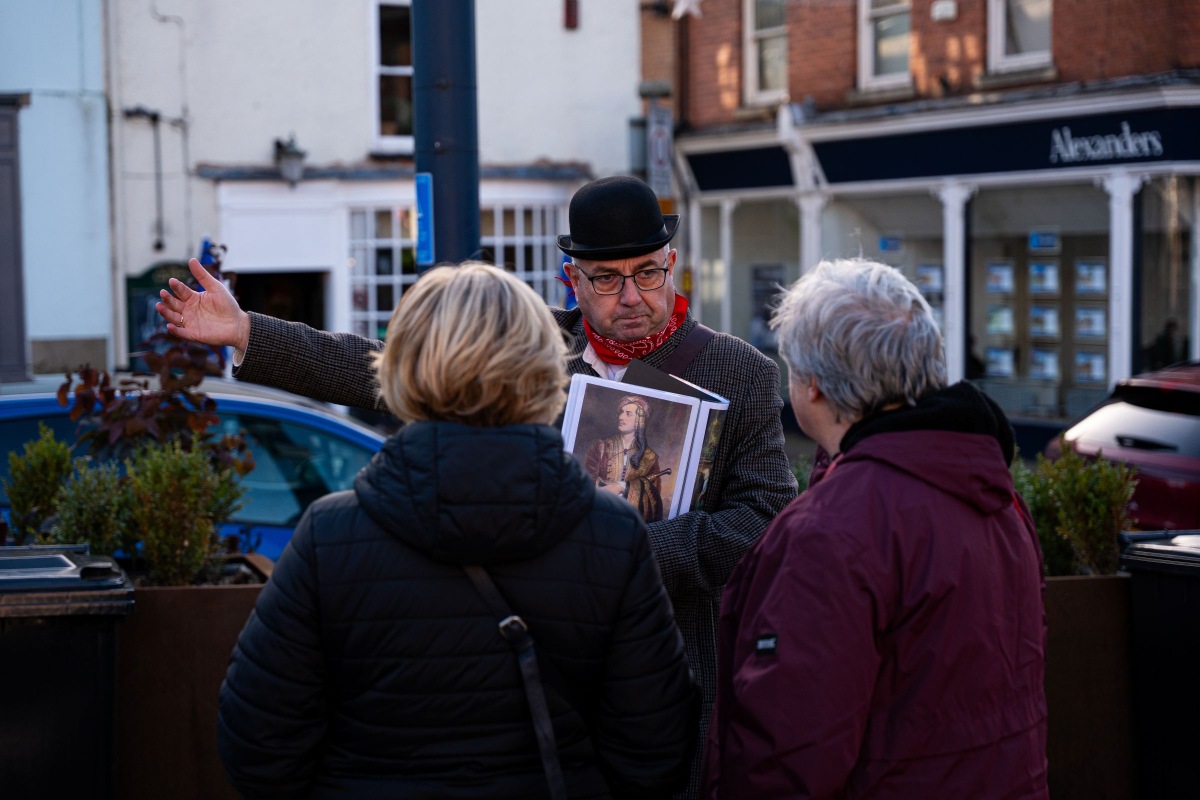
Melton’s heritage trails uncover over a thousand years of remarkable stories, guiding you through the people, places and moments that shaped Melton Mowbray. To step even deeper into the past, join a History Fare guided walking tour, where expert storytellers bring these tales to life. You can also explore fascinating exhibitions at the Melton Carnegie Museum, home to fascinating objects, characters and folklore from across the Borough.
However, the town’s origins stretch even further back. ‘Melton’ comes from the early English Medeltone, meaning “Middletown surrounded by small hamlets”, while ‘Mowbray’ derives from the Norman family of Robert de Mowbray, an early Lord of the Manor.
And that’s just the beginning…
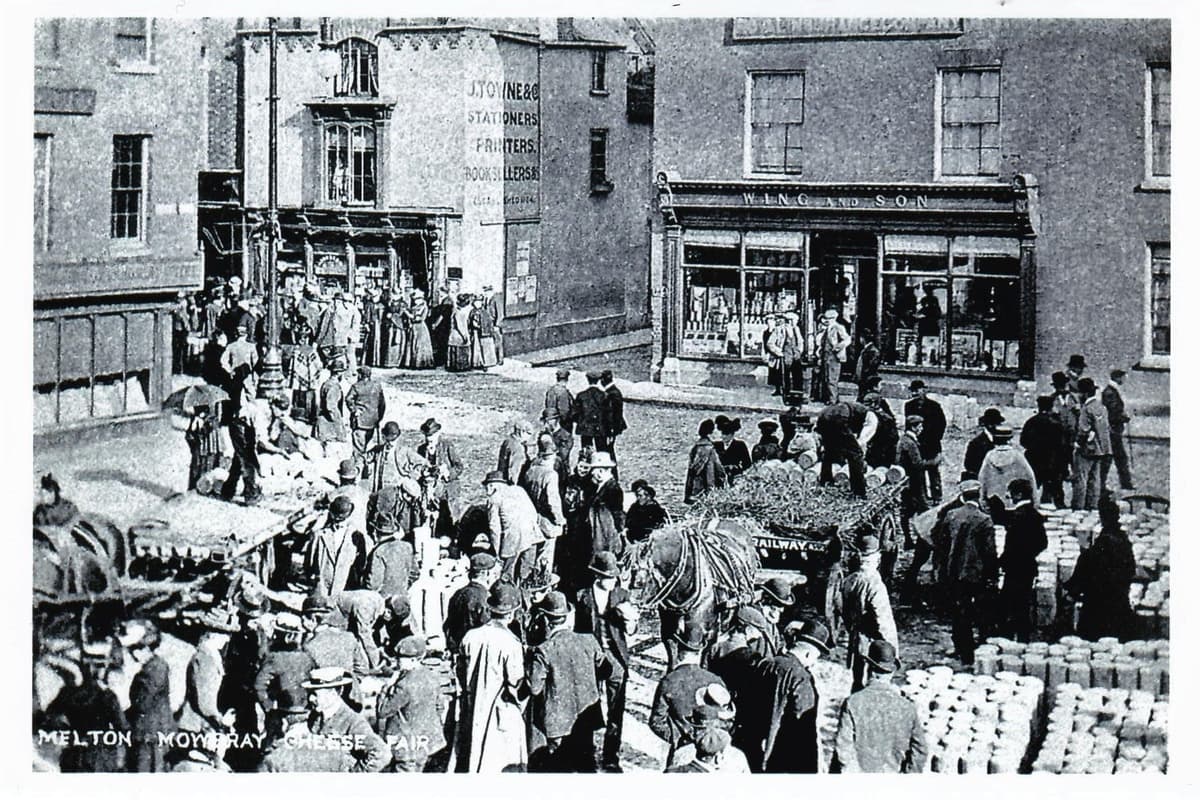
A Town Built on Taste
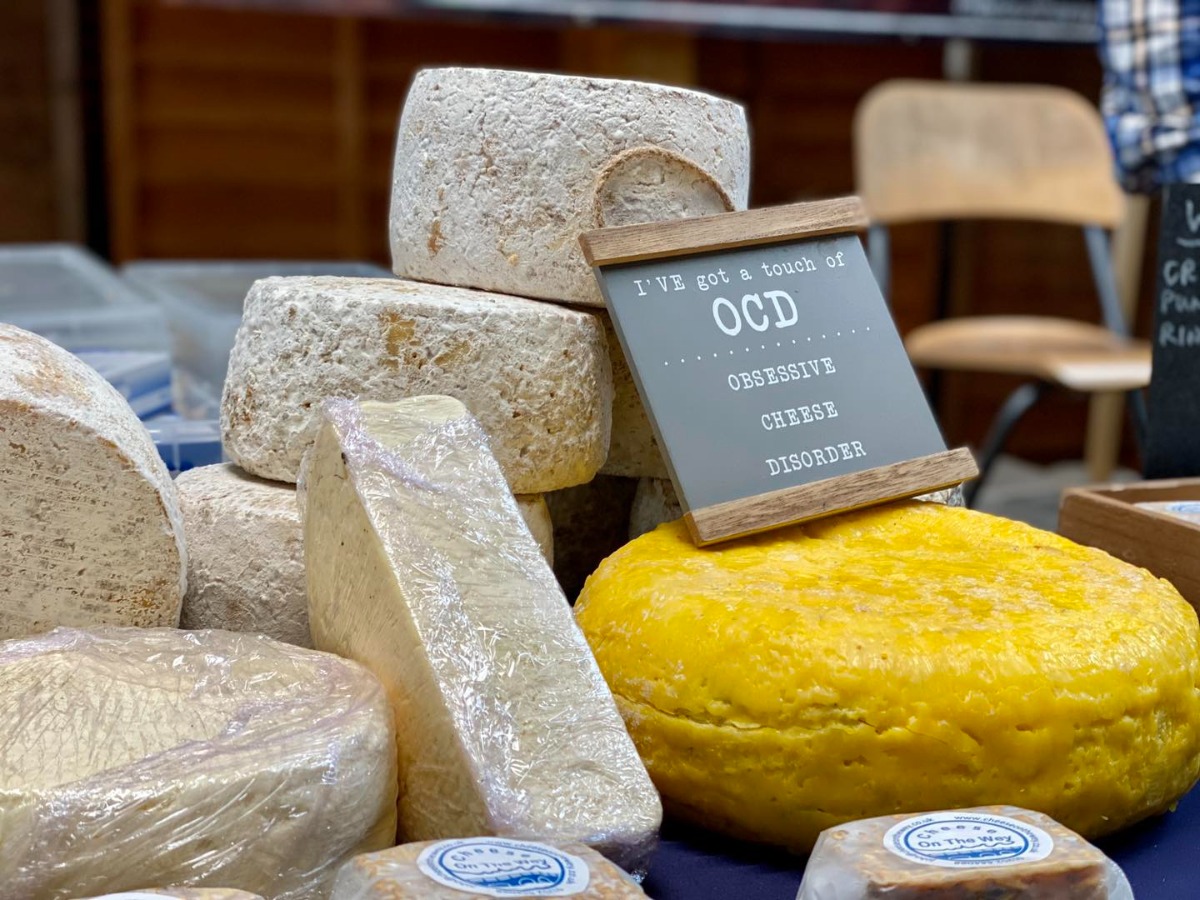
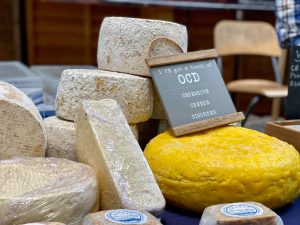 Stilton Cheese – A Legendary Local
Melton Mowbray’s reputation as the Rural Capital of Food runs deep. Alongside its famous pies, the area has a centuries‑old tradition of cheesemaking – most notably Stilton.
By the 1730s, production was widespread locally. According to legend, Wymondham cheesemaker Frances Pawlett supplied her cream cheese to the Bell Inn on the busy London coaching route, helping Stilton achieve nationwide fame.
Today, Stilton is protected by PDO status, with just six dairies licensed to produce it – a proud reminder of Melton’s enduring food heritage.
 Authentic Melton Mowbray Pork Pies
Melton’s other iconic export actually began with its cheese. The whey produced during cheesemaking fed large numbers of pigs, making pork plentiful. Early pork pies were sealed with a hard, inedible crust used purely for preservation. Local bakers later perfected the region’s distinctive raised hot water crust we know today.
On 4th April 2008, Melton Mowbray Pork Pies were award Protected Geographical Indication (PGI) status, meaning only pies made in the traditional way, within the designated area, and using uncured pork, can bear the Melton Mowbray name.
Kings, Roads and Royal Footsteps
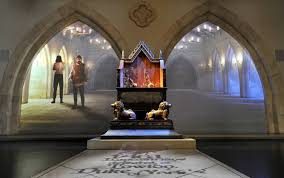 The Eleven Kings of King Street
For three centuries from the late 1100s, the Great North Road from London to York and Edinburgh was diverted through Melton Mowbray, bringing prosperity and royalty.
11 Kings of England stopped in Melton Mowbray, most choosing to stay with the Lord of the Manor of Melton. Beginning with Richard I (the Lionheart) in 1194 followed by Kings John, Henry III, Edwards I, II & III, Henry IV & VI, Richard III and ending with Henry VII in 1487.
The Great North Road crossed the river to the south of the town, ran in front of the Church through the Market Place and then headed north, exiting along what is now King Street, named in honour of these royal journeys.
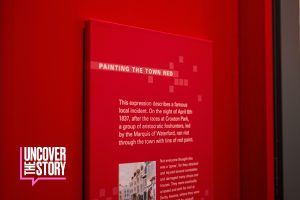 Painting the Town Red
In the early hours of Thursday, 6th April 1837, Henry Beresford, 3rd Marquess of Waterford and his fox-hunting friends, drunk after a day at the races, arrived at the Thorpe End tollgate.
Having been challenged to pay their toll, they seized some paint and proceeded to paint the toll keeper – a local constable – and a good deal of the town red! At the Old Swan Inn in the Marketplace, the Marquess painted the carved Swan Inn sign red. In 1988, traces of red paint were found on the back of the carved swan when it was removed for restoration. It’s from this very incident that the phrase “painting the town red” is believed to originate, when used in relation to having a riotous time!
Aristocracy & High Society
In the 1800s, Melton Mowbray became the fashionable ‘Capital of Hunting’, attracting aristocrats, royals and notable society figures each season. The town’s high‑profile connections span centuries, from Anne of Cleves, who received the local inn in her divorce settlement, to the first meeting of Edward VIII and Wallis Simpson in the 1930s.
One of Melton’s most eccentric tales links Colonel Colman of mustard fame and his home in the 1930s – Scalford Hall (a former hotel, but once a hunting lodge) – to the origins of the board game Cluedo, said to be inspired by the hall’s rooms and its colourful guests who stayed there.
His photograph can still be seen in the Drawing Room also called the ‘Colman Room.’ They were good friends of the Prince of Wales (later Edward VIII) and Wallis Simpson, and had them to stay frequently.
Craft, Cloth and Cathedrals
 Melton is the traditional centre of English fox hunting, and its famous black and scarlet hunting coats are traditionally made from Melton cloth, prized for its warmth and weatherproof qualities.
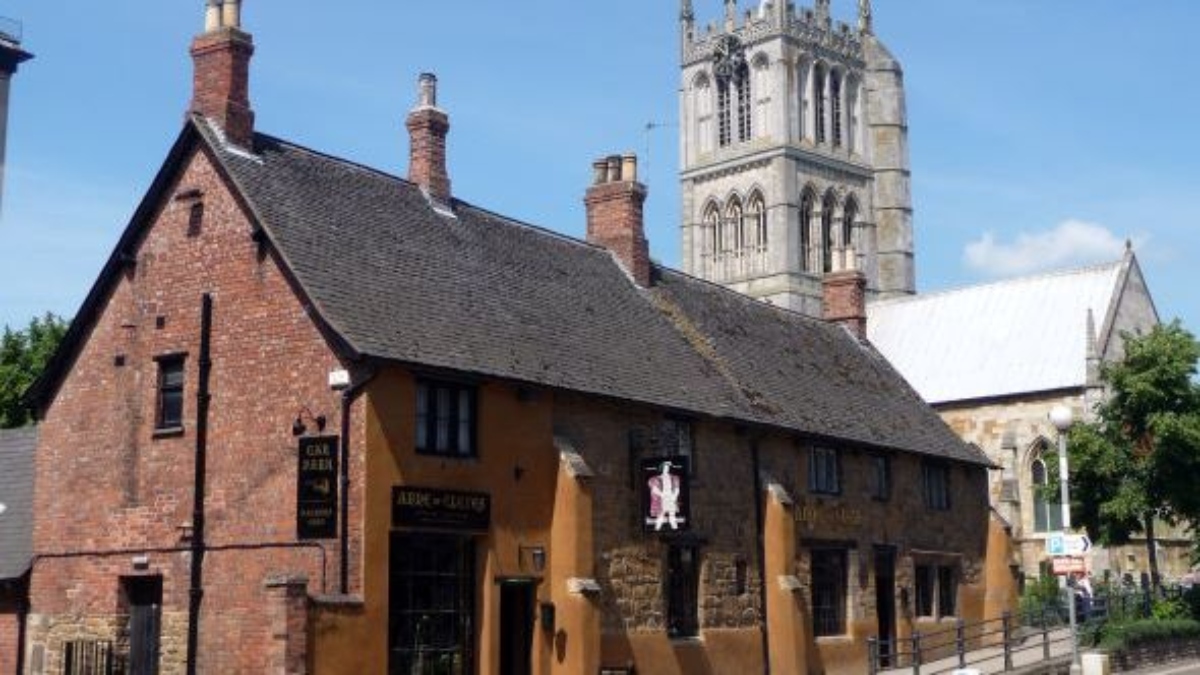
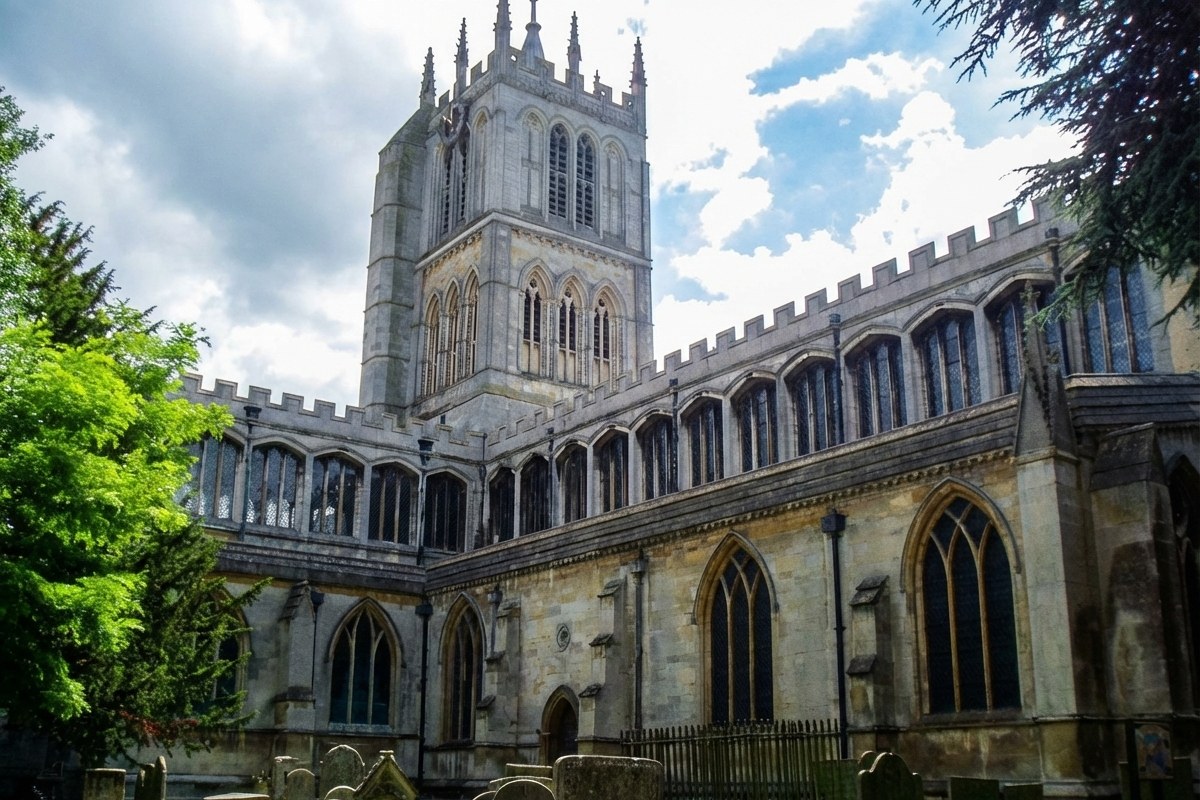
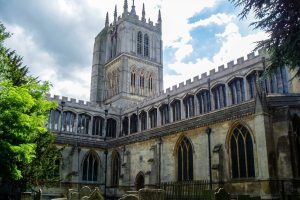
The prosperous medieval wool trade funded the construction of the magnificent St Mary’s Church, often described as a “mini cathedral” and regarded as one of the finest parish churches in the country.
Inventing Afternoon Tea
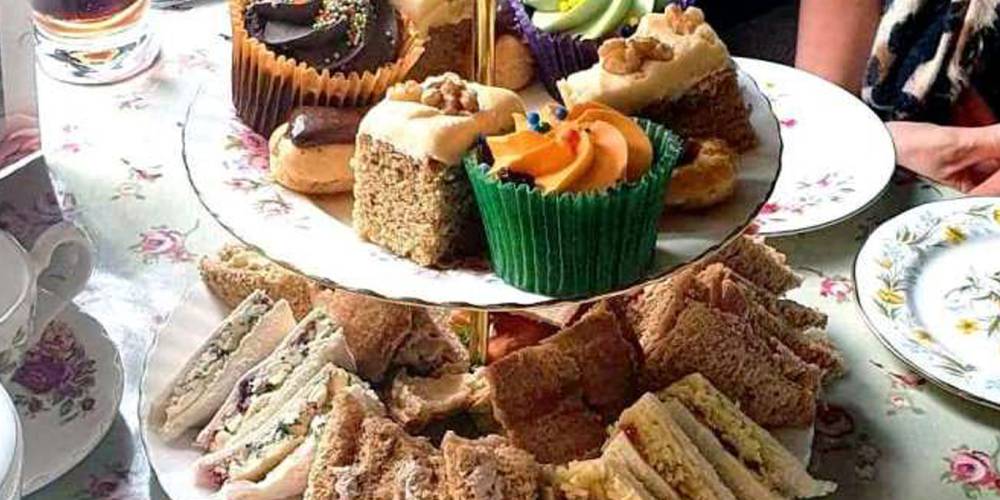
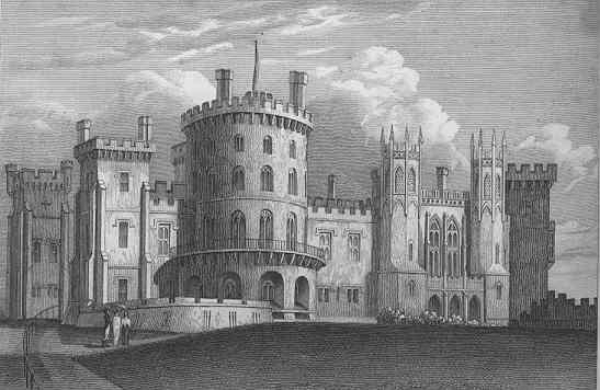
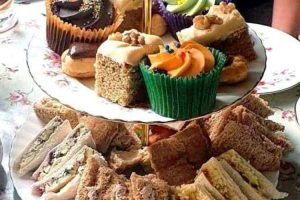 One of Britain’s most beloved traditions began right here. In 1842, Anna Maria Stanhope, 7th Duchess of Bedford, was staying with the Duke and Duchess of Rutland at Belvoir Castle. Traditionally, only two meals were taken each day: breakfast in the morning and dinner at around 8.00pm. Tired of the long wait between lunch and dinner, she ordered tea, sandwiches, buns and cake for herself and her friends to be served at five o’clock sharp. Later, when she returned to London, she took the custom with her, so the tradition followed, and Afternoon Tea was born.
Witches of Belvoir
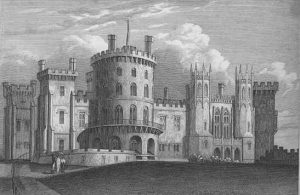 The Witches of Belvoir were three women – a mother and her two daughters – accused of witchcraft in England around 1618.
The mother, Joan Flower, died while in prison. The two daughters, Margaret and Philippa, were hanged at Lincoln. St Mary’s the Virgin in Bottesford is Britain’s only church with a tomb recording a death attributed to witchcraft, linking the area to one of England’s most intriguing early modern stories.
Melton’s Historic Markets
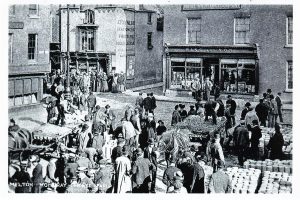 Melton’s Tuesday market, recorded in the Domesday Book of 1085, is the third oldest in England. The town centre livestock market – more than a thousand years old – remains the largest of its kind in the country. Melton was also among the first places to establish a modern farmers’ market, which was last visited by Prince Charles (now King Charles III) in 2000.
Melton Mowbray Heritage Society
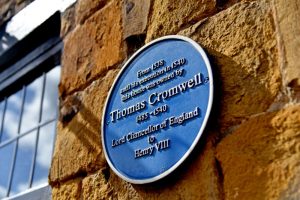 Melton Mowbray Heritage Society is a community‑led group dedicated to protecting, promoting and celebrating the rich heritage of Melton Mowbray and its surrounding boroughs. The Society works to make local heritage inclusive and accessible to all, encouraging people to share knowledge, experiences and ideas. Through events, research, education and partnership working, the Society supports the preservation of historic buildings, waterways and heritage assets, while inspiring younger generations to understand the importance of Melton’s past and its role in shaping the future.