
Uncover the Story
Step Back in Time with Melton Mowbray’s Fascinating Heritage Stories.
Follow in the Footsteps of Kings on a right Royal Outing
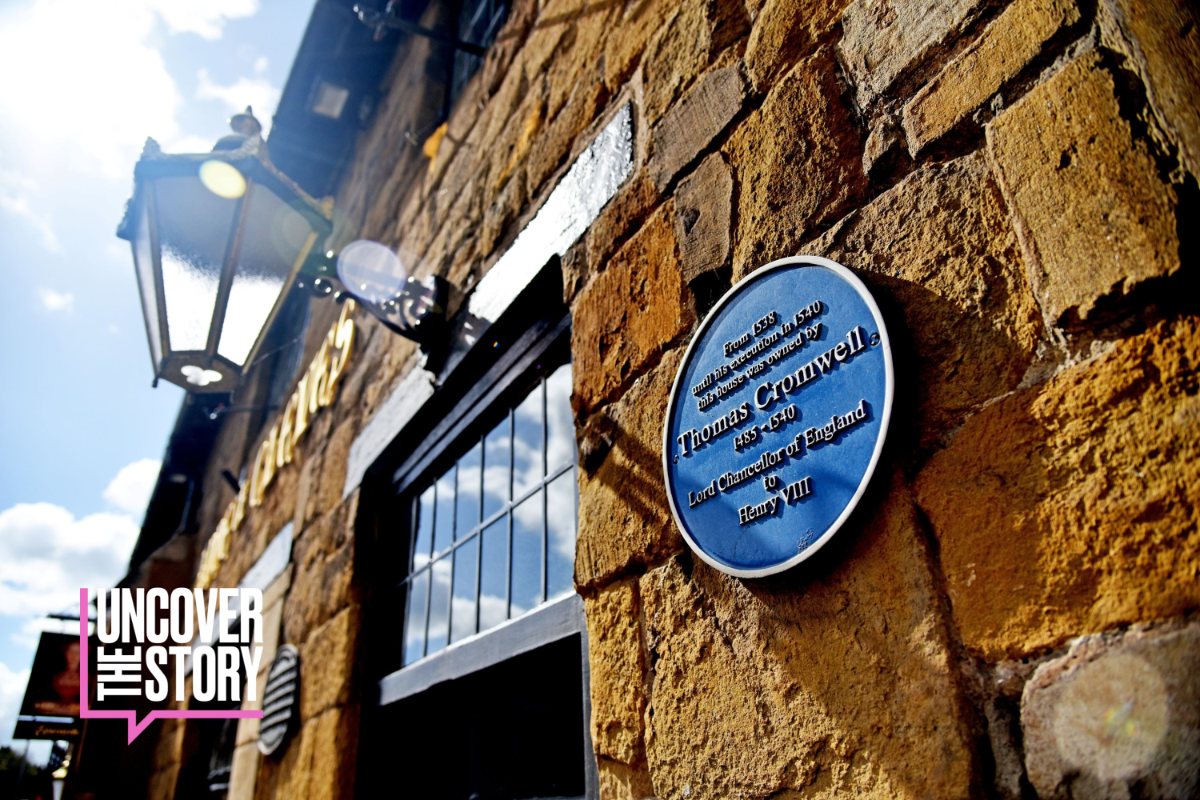
 Melton is a town crammed with Royal connections, from the visit of King Richard I in 1194 through to Prince Charles visiting the historic livestock market in 2000. No fewer than eleven of the 14 Plantagenet Kings visited Melton, and Thomas ‘Wolf Hall’ Cromwell owned the priory that is now the Anne of Cleves pub.
Walking around Melton Mowbray today, it’s almost certain that you’ll be following in the footsteps of royalty. But what brought these eleven Kings of England to this Leicestershire town between 1194 and 1487?
Some might offer pork pies or fox hunting as a reason – Melton is famous for both – but the ‘Rural Capital of Food’ didn’t start baking pies or hosting the hunt until the 18th century. The monarchs were travelling on the Great North Road between London and the North, which for 300 years ran through Melton Mowbray.
Where to begin your explorations
Start at the Blue Plaque near St Mary’s Church, marking Richard I’s visit in 1194. Then cross the car park to the Anne of Cleves pub, where a plaque tells how this former priory was given by Henry VIII to Thomas Cromwell after the Reformation. Thanks to his unpopular suggestion that the king marry Anne of Cleves, he didn’t get to enjoy it! Cromwell was executed for his trouble, and Anne received the building in her divorce settlement.
Opposite, another plaque commemorates Beau Brummel and the Old Hunt Club he frequented when Melton was the ‘capital of fox hunting’. Brummel’s friend George IV visited the town, paving the way for almost every other monarch that followed. Most came to hunt in this fashionable resort, and one – the future Edward VIII – began a relationship here with Wallis Simpson that led to his abdication.
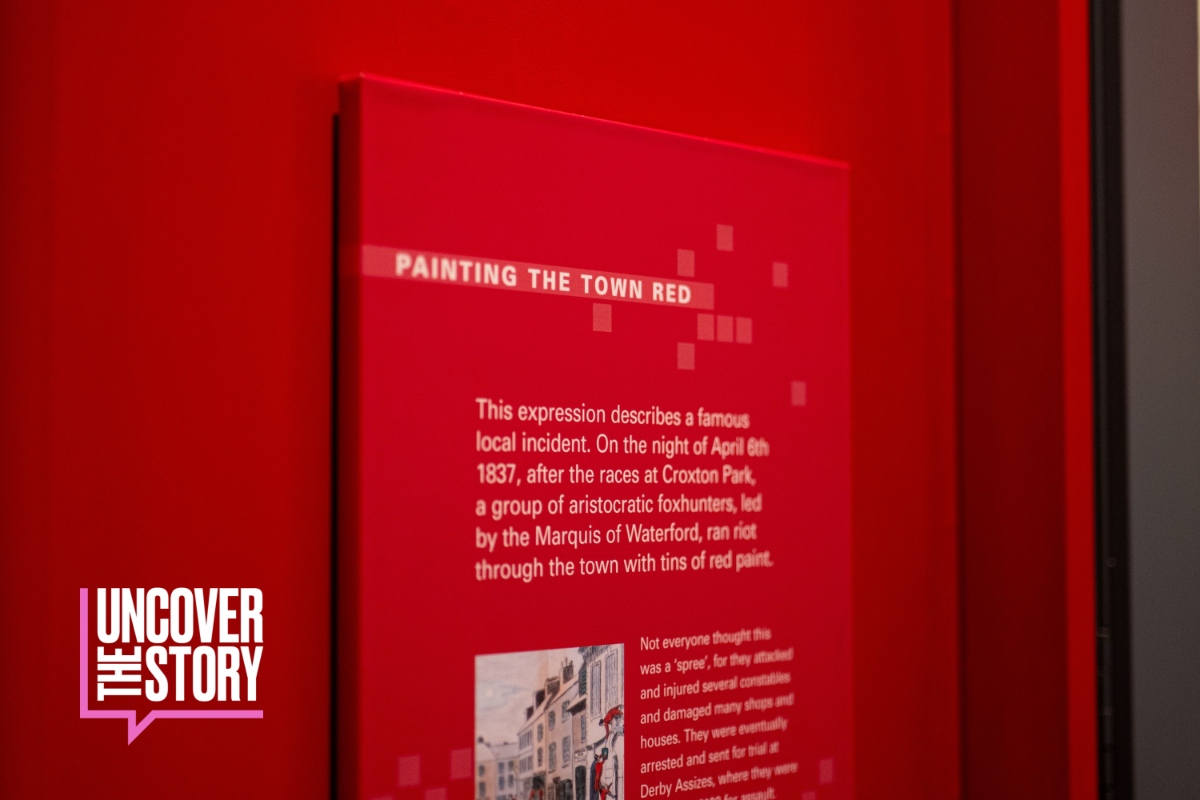
Walk further along Burton Street to the hunting lodge of James Thomas Brudenell, 7th Earl of Cardigan, who led the Charge of the Light Brigade. Another huntsman, the Marquis of Waterford, is showcased in Melton Carnegie Museum. His drunken antics in 1837 are said to have coined the phrase ‘Painting the Town Red’.
End your day at Melton’s 1,000-year-old street market, the third oldest in the country, or its historic livestock market, visited by Prince Charles.
Painting the Town Red – The Story Behind the Saying
 Have you ever wondered where the phrase “painting the town red” really comes from? In Melton Mowbray, the rumour isn’t just colourful – it’s legendary.
It all began in 1837, when the notorious Marquis of Waterford and his band of high-spirited aristocratic friends rolled into town after a day at the races. Fuelled by drink and mischief, they grabbed pots of red paint and went on a riotous spree through the streets, daubing tollgates, signs and even a constable in bright crimson. Their antics left a scarlet trail – and a story that has echoed through history ever since.
Today, Melton’s nightlife is a little more refined, but the spirit of good cheer lives on. The town’s long tradition of brewing and distilling has blossomed into a vibrant scene of tours, tastings and unforgettable flavours. At the heart of the historic cattle market, the award-winning Round Corner Brewing serves what it proudly calls “farm‑fresh beer”. A visit reveals the craft behind every pint – and you might even spot Notorious Hooligan, the bold red ale inspired by that very 1837 escapade.
And the drinks don’t stop there. Cidentro Cider House presses the best from its 540 apple trees, each variety bringing a unique twist to their crisp, refreshing blends. Over at Sloeberry Spirits, liqueurs are lovingly made using hand-picked fruits from the surrounding hedgerows – a true taste of the countryside.
If wine is more your style, venture slightly further afield to Hanwell Wine Estate, where vineyard tours, winery experiences and seasonal events run throughout the year. If you time it right, you can even roll up your sleeves and help with the grape harvest.
Tucked beneath the sweeping views of Belvoir Castle, the Belvoir Castle Estate Vineyard experience offers visitors a relaxed, scenic experience among five acres of vines, sometimes accompanied by special seasonal events like summer supper clubs held right among the vines.
For a refreshing taste of the Vale of Belvoir, the celebrated Belvoir Fruit Farm offers traditional cordials and sparkling presses made from elderflowers and fruits grown on or around the estate – a delicious expression of the landscape’s natural bounty.
Back in the town centre, the tale of the famous red‑paint rampage comes to life at the Melton Carnegie Museum, offering a deeper dive into this extraordinary night in local history. Afterwards, relax at the historic Anne of Cleves pub, once gifted by Henry VIII to his fortunate ex-wife, or enjoy a night on the tiles with cocktails on the chic rooftop terrace of the Montero Lounge.
In Melton Mowbray, the legacy of “painting the town red” lives on – not in chaos, but in the warm welcome, rich heritage and unforgettable flavours waiting around every corner.
Authentic Melton Mowbray Pork Pies
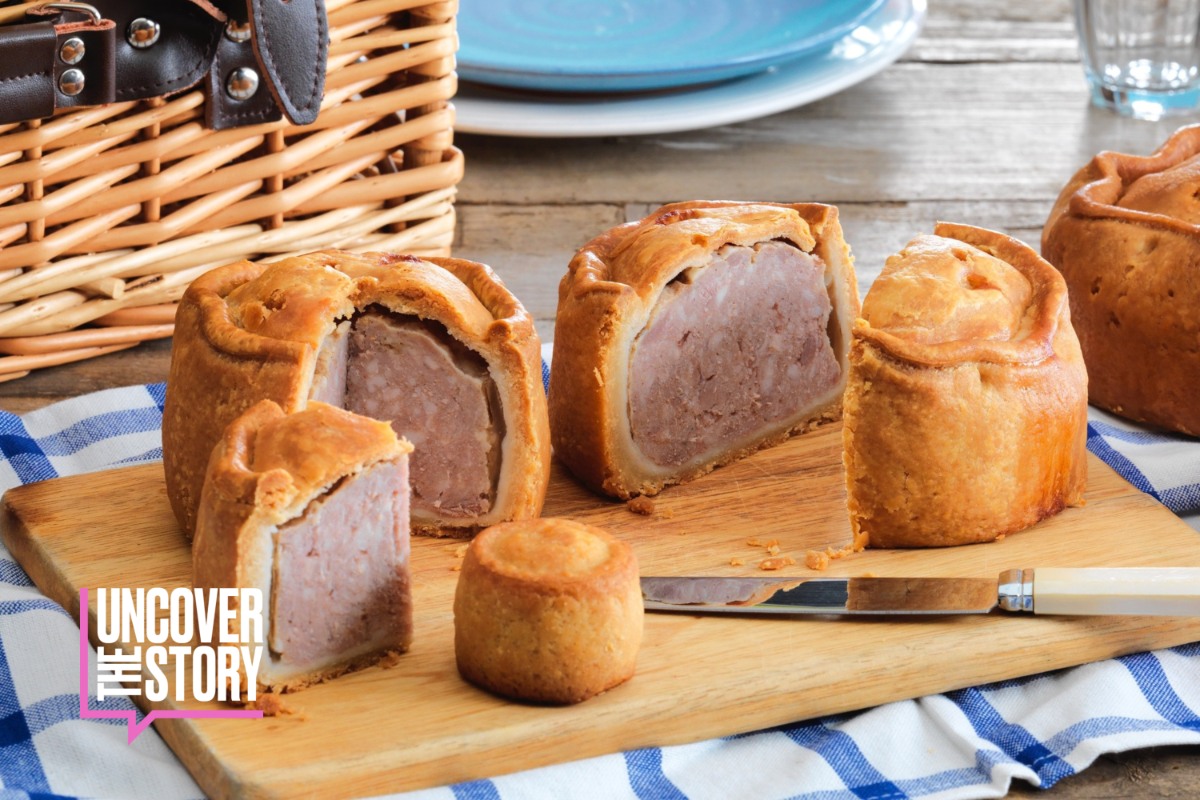
 Melton’s iconic export of pies began with its cheese. The whey produced during cheesemaking fed large numbers of pigs, making pork plentiful. Early pork pies were sealed with a hard, inedible crust used purely for preservation. Local bakers later perfected the regions distinctive raised hot water crust we know today. On 4th April 2008, Melton Mowbray Pork Pies were award Protected Geographical Indication (PGI) status, meaning only pies made in the traditional way, within the designated area, and using uncured pork, can bear the Melton Mowbray name.
The Melton Diary Story – The Big Cheese of the Dairy World
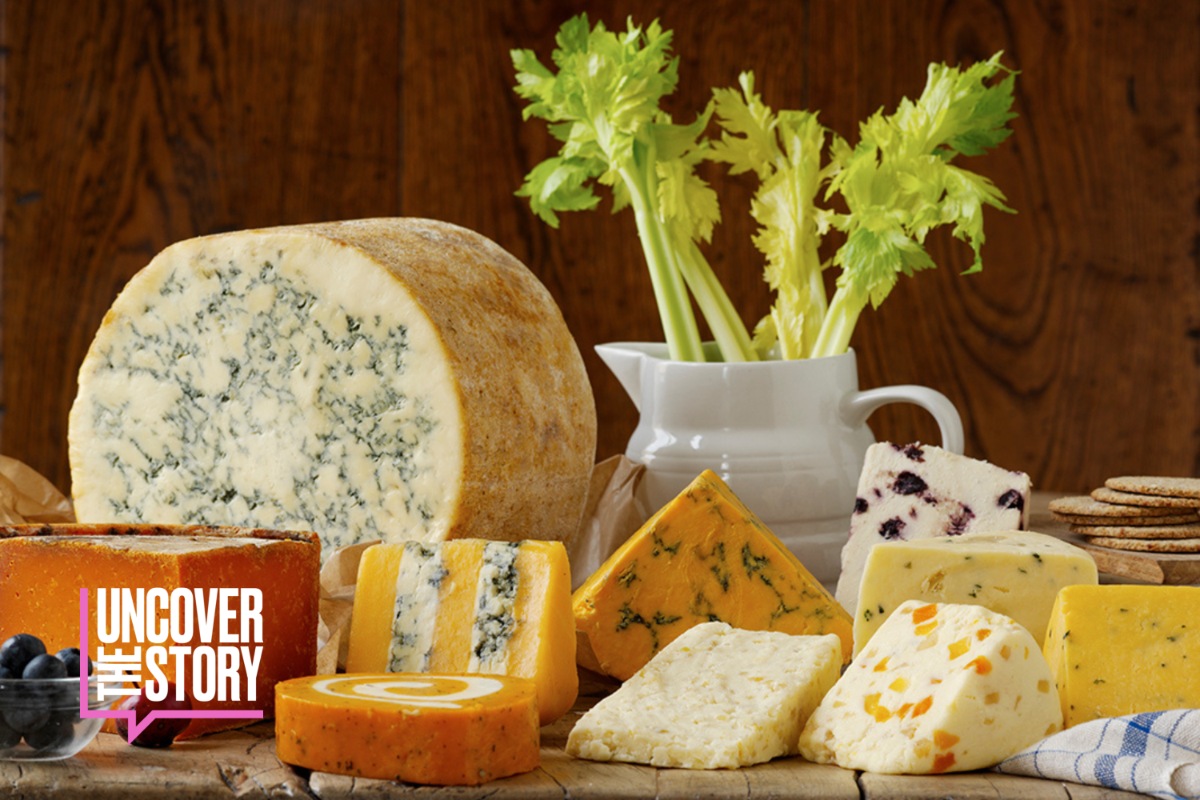
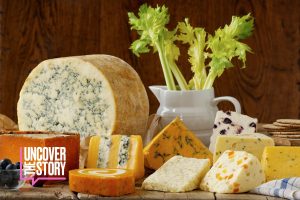 One of Melton’s most famous delicacies is blue-veined Stilton, whose promotion and development are mostly credited to 18th-century Wymondham cheesemaker Frances Pawlett. She shared her recipe locally, sold it in the coaching town of Stilton, and the rest is history. Additionally, it was the whey from Stilton that fed the pigs, which gave rise to the main ingredient of Melton Mowbray’s famed pork pies.
With protected status, just six dairies – in Leicestershire, Derbyshire and Nottinghamshire – can make Stilton. Three: Long Clawson Dairy, Tuxford & Tebbutt Creamery and Webster’s Dairy are in Melton Borough. Making cheese since 1912, award-winning Long Clawson Dairy still uses traditional methods, whether you’re ordering a tiered cheesecake or bargain-hunting in its factory shop.
Five famous cheeses were made in the Melton area: Stilton, Red Leicester, Rutland Slipcote, Colwick, and Shropshire Blue. Long Clawson’s signature Stilton is available in The Melton Cheeseboard, alongside Leicestershire Handmade Cheese Company’s Sparkenhoe Red Leicester and Thrussington’s Manor Farm yoghurts, fresh from cow to carton.
Milk from Brickfield Farm’s herd not only supplies Long Clawson but is the star ingredient of the Ferneley’s ice cream made and served at the farm’s Dairy Barn Café. For produce with zero food miles, buy milk from its Milk Hut, or head to Vine Farm Dairy’s Milk Shed or March House Farm Shop for farm-reared meat.
Melton’s festivals offer another hunting ground for food lovers. The prestigious Artisan Cheese Fair is held at the Stockyard Melton Mowbray on the last May Bank Holiday each year, but not before the cheeses have been expertly judged in the cathedral-like St Mary’s Church.
Melton Farm Stays – Unique Rural Stays Crop Up All Over Melton
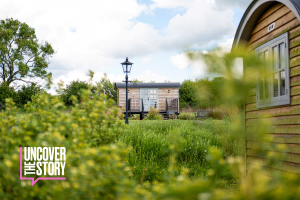 UK farmers have faced numerous challenges, but instead of walking away from a way of life that often spans generations, many have cultivated flourishing new businesses. Come to Melton today and you’ll discover a growing trend in unique holiday accommodation which keeps visitors flocking to the Borough.
These rural retreats, from glamping pods to cottage hideaways, are perfectly placed for country walks, strolls through ‘Rural Capital of Food’ Melton Mowbray, or much-needed rest and relaxation.
Blending into the idyllic woodland setting of Eye Kettleby Lakes are a luxury lodge, a farmhouse, a touring park and glamping pods. Indulgent touches include hot tubs, firepits and saunas, not to mention a clubhouse, eight lakes and even a warm-water dog shower.
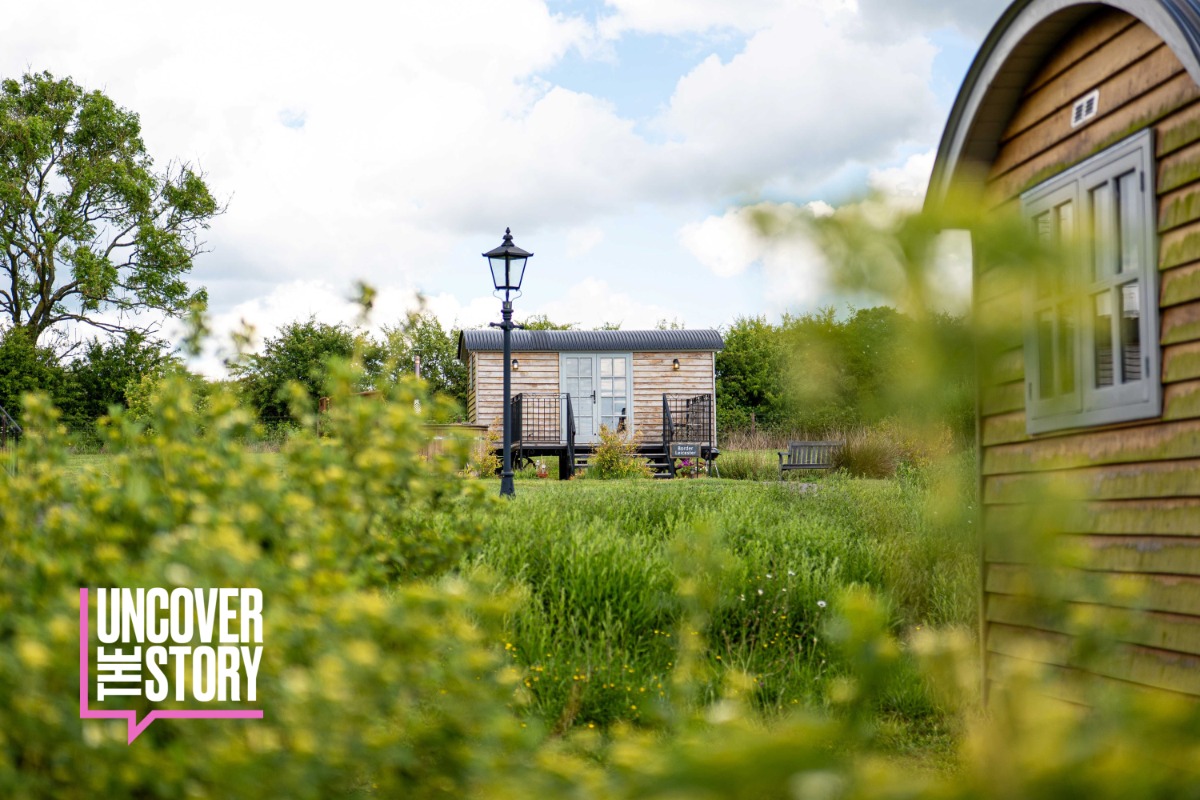
Fair Farm Hideaway – a working farm in Waltham on the Wolds – also comes with its own lakes, and its hot tubs complement ten hand-crafted shepherd huts.
Tucked into the gentle hills of Rutland and Leicestershire sits North Field Farm Stay, a place where time seems to slow down. Visitors can choose from three charming hideaways, each with a story of its own.
Within the grounds of Wymondham Windmill sits The Oak Room, a thoughtfully designed one-bedroom apartment ideal for cosy getaways. For your own home-from-home, pitch your caravan. As well as this rare six-sailed mill, you’ll find a woodland trail, cycle routes and boutique shops right on your doorstep.
Another growing industry is bed and breakfast, and many have sprung up in Melton. Take walks through the picturesque Vale of Belvoir from The Old Nurseries B&B in Stathern, or former Georgian Rectory, Glebe House.
Growing families can take over Eye Kettleby’s Old Guadaloupe Farmhouse and Cottage, or The Red Barn off-the-beaten-track, located on the edge of the Vale of Belvoir, complete with a wood-fired hot tub.
If two’s company, cosy up at Drift View Shepherds Hut in a private and secluded orchard, next to the farmyard in Burton Lazers, offering stunning views of the rural landscape.
Belvoir Castle – Leicestershire’s ‘Crowning’ Glory since 1066
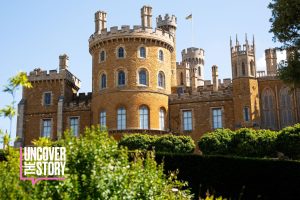 Pronounced ‘beaver’, its name derives from the French for ‘beautiful view’ or ‘beautiful to see’ and dates back to Norman times.
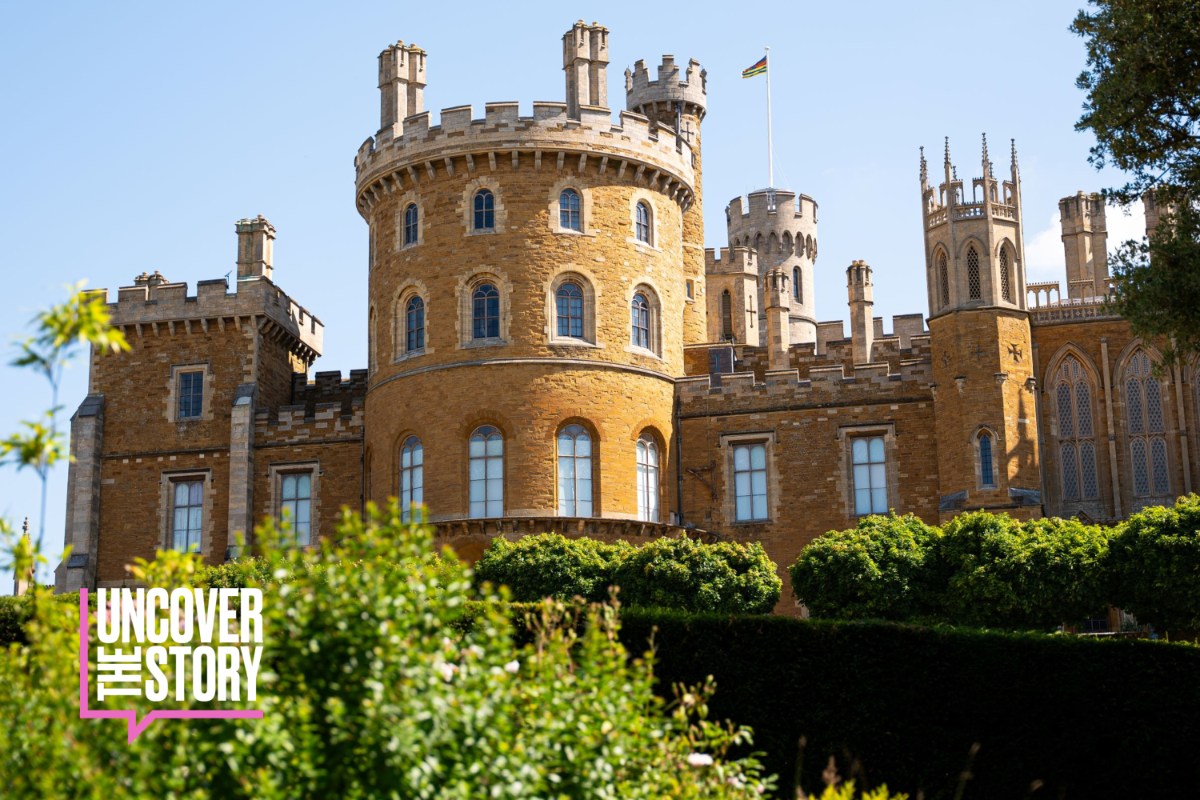
The castle certainly does command extraordinary views. And with its 16,000-acre estate, it remains one of the most magnificent and beautiful Regency houses in England, complete with rising turrets and towers like an illustration in a romantic fairy-tale.
Crowning a hill atop rural Leicestershire’s Vale of Belvoir, Belvoir Castle has been home to the Duke of Rutland’s family since 1067.